
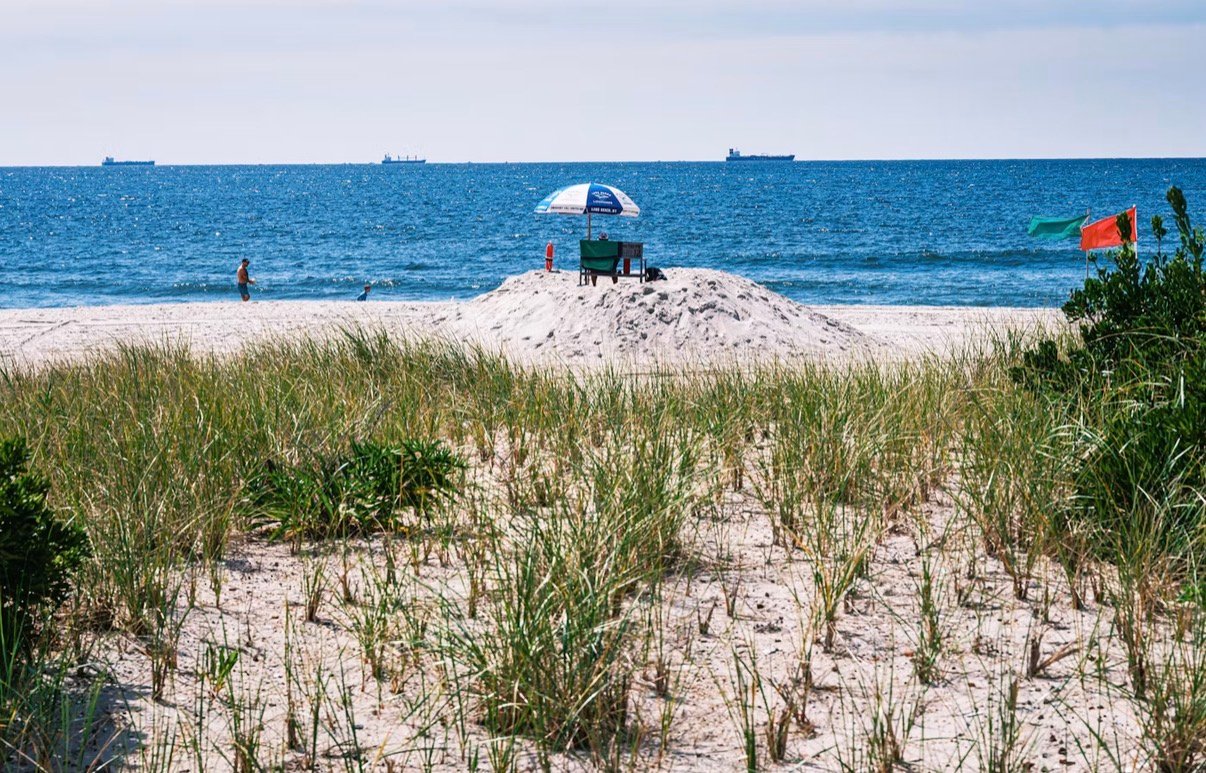
Ask most East Coast divers when the season is and they will say June through August.
They are leaving the best part on the table.
What actually happens to the water in September
Three things change at once, and all three work in a diver’s favour.
The thermocline settles. Through early summer the water column is still sorting itself out — warm surface, cold bottom, a mixing layer in between that scatters light and holds particulate. By late summer that stratification stabilizes. The layer stops churning and the bottom water clears.
Plankton blooms fade. Spring and early summer blooms are what turn nearshore water green. As nutrient levels drop through the season, the water column loses its haze. That is the single biggest driver of visibility on most temperate wrecks.
Bottom temperatures peak late. Surface water hits its maximum in August, but the deeper water lags weeks behind. The most comfortable bottom temperatures of the year on a lot of East Coast sites arrive in September, not July.
Put those together and the second half of September into early October is frequently the clearest, warmest, most pleasant diving of the entire year — on wrecks that were murky and cold in June.
And the crowds are gone
Charter boats that ran full through July have open spots. Sites that had four boats on them in August have one. Parking at the shore-dive entries is empty.
The same wreck, better water, half the people.
The catch, and it is a real one
This is peak hurricane season. Late August through mid-October is exactly when Atlantic tropical systems are most active, and a storm four hundred miles offshore will put a swell on your site three days before you would ever see the weather.
That means late-season diving is a flexible sport. Boats cancel. Windows open and close on two days’ notice. If you need to book a trip six weeks out and be certain it runs, this is the wrong time of year.
If you can watch the forecast and go when it is good, it is the best time of year.
Practical notes for the late-season window
Watch the swell, not the sky. A beautiful blue day with eight-second period ground swell from a system nobody in your town has heard of will ruin a dive site. Check the offshore buoys, not the local forecast.
Expect a thermocline anyway. Warmer bottom water than July does not mean warm. Dress for the deepest, coldest part of the profile, not for the ride out.
Marine life is at its peak. Late summer is when temperate reefs and wrecks are most populated — baitfish schools are thick, pelagics push in, and the whole structure is loaded. It is the best month of the year for anybody diving with a camera.
Buddy discipline does not relax with the crowds. Fewer boats on a site means fewer people around if something goes wrong. Same rules, more reason for them.
Days get shorter fast. Sunset moves earlier by more than a minute a day through September. A two-tank afternoon that was comfortable in July gets tight in October. Plan the surface interval against the light.
The short version
Everybody dives June, July and August because that is when the calendar says summer.
The water does not read the calendar. It gets good after Labor Day and stays good until the first real blow of the fall.
If you have been meaning to get on a wreck this year and have not managed it yet, you have not missed the season. You are about to walk into the best of it.
See you on the water.