
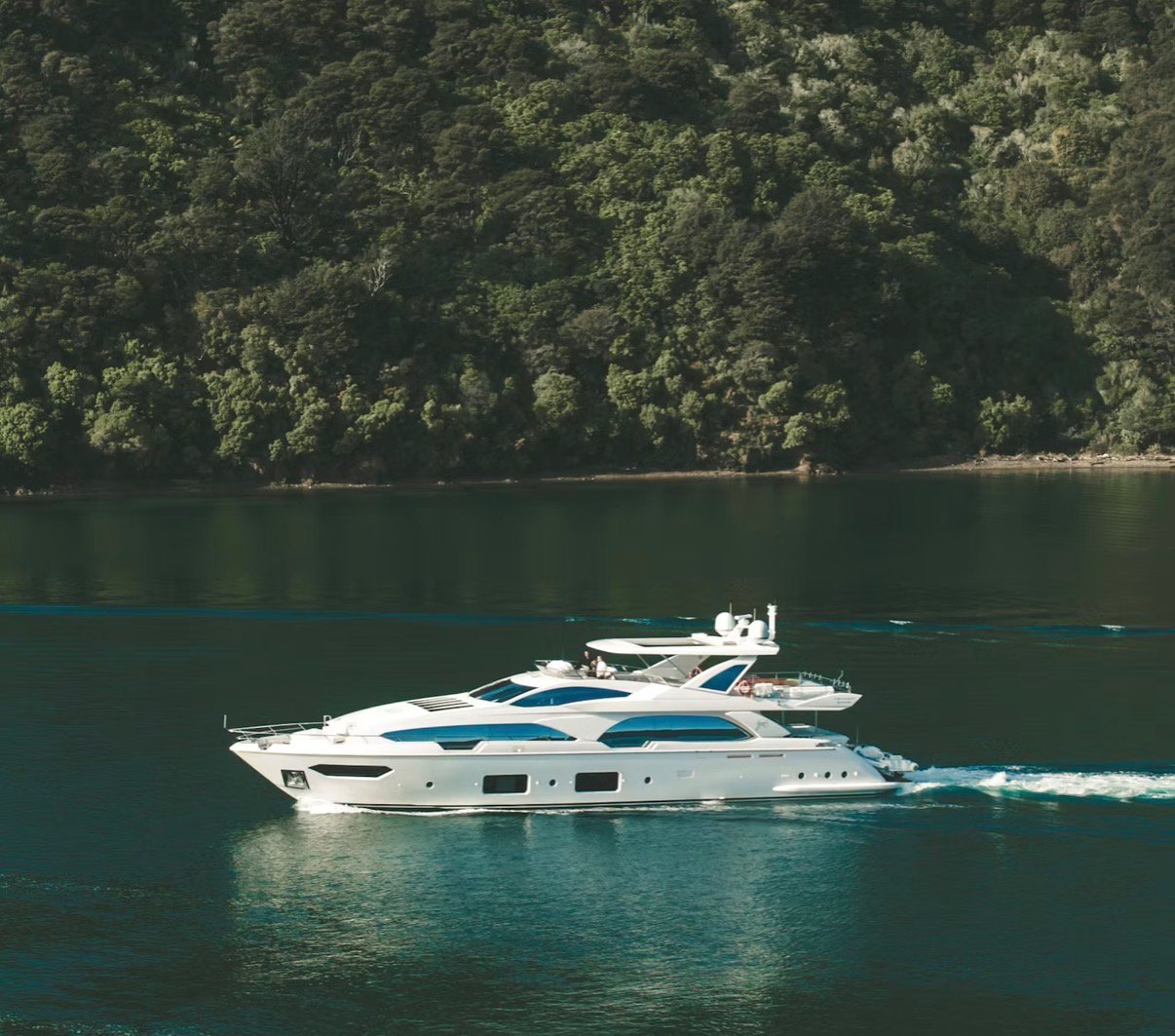
Fall is the best value on the water. Fewer crowds, lower rates, better bottom temperatures, and destinations that were wall-to-wall in July with room to move in October.
It is also the middle of hurricane season, and that is where people get hurt — not by storms, but by paperwork they did not read.
The thing nobody tells you about “hurricane season rates”
Charter operators, resorts and marinas discount the fall for one reason: risk. Yours, not theirs.
A low-season rate is not generosity. It is the market pricing in the chance the trip does not happen, and in most cases the contract puts that chance on the customer. Understanding exactly where it sits is the difference between a bargain and a total loss.
Four questions to ask before you pay a deposit
1. What specifically triggers a cancellation, and who decides?
There is a wide gap between “a hurricane warning is issued for our location,” “the operator determines conditions are unsafe,” and “the airport closes.” Some contracts require a named storm within a defined distance. Some leave it entirely to the operator’s discretion. Get the actual trigger in writing.
2. If it triggers, what do you get?
The three outcomes are refund, credit, and nothing — and they are wildly different. A future credit sounds fair until you realize it may expire, may not transfer, and may not cover a rate increase. Ask whether the credit has an expiry and whether it is transferable.
3. What happens if you can’t get there but the boat can run?
This is the one that catches people. Your flight is cancelled, or your home airport shuts down, or the storm hits where you live rather than where the boat is. Many charter contracts treat that as a customer no-show, and no-shows do not get refunds.
4. Does travel insurance actually cover this?
Standard travel insurance frequently excludes named storms once they are named. If a system already has a name when you buy the policy, coverage for it is usually void from the outset.
If you want real protection, you are looking for “cancel for any reason” coverage — it costs meaningfully more, typically reimburses a percentage rather than the full amount, and usually has to be purchased within a short window of your initial deposit. Read what the percentage is before assuming it makes you whole.
Where the fall genuinely wins
None of that is a reason not to go. It is a reason to go with your eyes open.
Rates drop hard after Labor Day on almost every saltwater destination in the northern hemisphere.
The fishing is frequently better. Fall migrations put fish on the move up and down both coasts, and a lot of the best inshore and nearshore action of the year happens well after the tourists leave.
Water temperatures lag air temperatures by weeks. October water is often more comfortable than June water, even when the air is cooler.
And you can actually book the good boat. The captain who was reserved solid from May has open days.
How to play it well
Book late if you can. A ten-day forecast is a real forecast. A ninety-day one is not. If your schedule allows short notice, the fall is the easiest season in the world to travel in — you simply go when the window is good.
Prefer operators with written, generous policies over the cheapest quote. An operator confident enough to put a refund policy in writing is telling you something about how they run their business.
Ask what they did last time. Every operator in a hurricane region has been through it. Ask directly how they handled cancellations the last time a storm affected them. The answer, and how quickly it comes, tells you most of what you need.
Keep every confirmation. Emails, texts, screenshots of the policy page as it read the day you booked. Terms get quietly updated.
The short version
Hurricane season pricing exists because somebody is carrying risk. Find out who — before you wire the deposit, not after.
Do that, and fall is the best three months on the water all year.
See you on the water.