
The most underrated piece of gear on the boat. Here’s how to see into the water — and what’s actually worth the money.
Ask ten Captains what changed their fishing the most and a good chunk of them won’t say a rod or a reel. They’ll tap the side of their head. The right pair of polarized glasses is the difference between staring at a sheet of glare and watching a redfish tip up on a flat forty feet out. It’s the difference between guessing where the structure is and seeing it. And on a long run home into a low sun, it’s the difference between squinting yourself into a headache and actually enjoying the ride.
Here’s the part nobody tells you: a cheap “polarized” pair off the gas-station rack and a real set of fishing lenses are not the same tool. They’re not even close. Good glass cuts the glare, sharpens the contrast, and protects your eyes from a stray hook or a snapped-off leader headed straight for your face. This is our straight rundown of the polarized fishing sunglasses worth wearing in 2026 — matched to your water, your face, and your wallet.
Saltwater Insider is reader-supported. When you buy through links on our site, we may earn an affiliate commission at no additional cost to you.
At a Glance
- Best Overall: Costa Del Mar — the saltwater benchmark, and the 580G glass lens is the clearest view on the water
- Best for Sight-Fishing: Smith Guide’s Choice — ChromaPop contrast makes a tailing fish jump off the flat
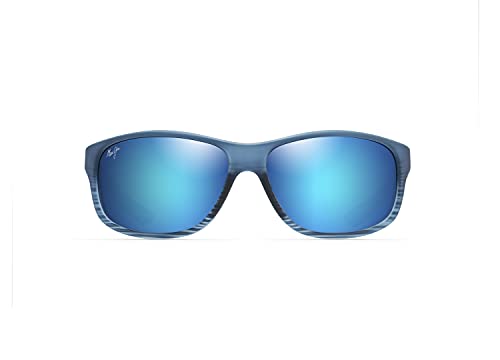
- Best Premium, All-Day: Maui Jim Kaiwi Channel — unreal depth perception and color, comfortable from sunup to dock
- The Insider’s Pick: Bajío — angler-owned, blue-light LAPIS lenses, and the brand most folks haven’t found yet
- Best Budget: Flying Fisherman — honest polarized lenses that won’t gut your tackle fund
How We Picked
We didn’t pull these off a “top sellers” list. We weighted four things that actually matter when you’re standing on a casting deck at noon: lens quality (real polarization and optical clarity, not a marketing sticker), the right lens material and tint for saltwater conditions, frame coverage and all-day comfort, and the brand’s track record with people who fish hard. We leaned on specs, on lens technology that holds up under scrutiny, and on what working Captains and serious Insiders actually keep on their faces season after season. No fake field tests, no invented numbers. Just the gear that earns its spot on the boat.
Best Overall — Costa Del Mar
If there’s a default answer in saltwater eyewear, it’s Costa. The brand has been the standard on flats skiffs and offshore boats for decades, and the reason is the lens. Costa’s 580G glass filters harsh yellow light and boosts the reds, greens, and blues your eye needs to pick a fish out of the water column — and it’s thinner, lighter, and more scratch-resistant than most glass you’ve worn before. Frames like the King Tide give you big, weather-blocking coverage with removable side shields for harsh-sun days, while the Reefton Pro is built for sight-fishing with a snug, vented wrap.
The trade-off: glass lenses cost more and weigh more than polycarbonate, and the premium frames aren’t cheap. If you want the lightest possible setup or you’re hard on your gear, Costa also offers their 580P polycarbonate lens — a touch less crisp, but lighter and more impact-resistant.

Best for Sight-Fishing — Smith Guide’s Choice
When the whole game is spotting fish before they spot you, contrast is king — and Smith’s ChromaPop lens is the contrast champ. It does something clever: it cleans up the color confusion your eye normally fights through, so a gray tail against gray bottom suddenly reads as two different things. On the Guide’s Choice (and the larger Guide’s Choice XL), you get that lens in a purpose-built fishing frame with flex hinges and a smart retainer system. For poling a flat, working a backcountry creek, or any day where seeing the fish is the catch, this is the one.
The trade-off: it’s a premium piece at a premium price, and the larger frames suit medium-to-bigger faces better than small ones. If your fishing is mostly blind-casting or trolling, you may not need every ounce of ChromaPop’s sight-fishing edge.

Best Premium, All-Day — Maui Jim Kaiwi Channel
Some glasses you tolerate. Maui Jims you forget you’re wearing — and then you take them off and the world looks flat and gray. The Kaiwi Channel runs Maui Jim’s PolarizedPlus2 lens in a comfortable wrap that kills side light and stays put on a wet, sweaty run. Depth perception and color clarity are the calling cards here: anglers who fish blue water swear they pick up tuna “color,” nervous bait, and diving birds a beat before everyone else on the boat. For all-day comfort under blazing sun, few do it better.
The trade-off: top-shelf price, and the lifestyle-leaning looks mean you’ll be tempted to wear them off the water too (not actually a problem). If you want removable side shields or a more aggressive fishing-specific frame, look at Costa or Bajío.
The Insider’s Pick — Bajío
Here’s the one most Insiders haven’t found yet — and the one that’ll have your buddies asking what you’re wearing. Bajío is angler-owned, hand-assembled in New Smyrna Beach, Florida, and laser-focused on one thing: cutting blue light. Their LAPIS lens technology knocks out roughly 95% of the blue spectrum, which translates to a crazy-crisp, almost HD view and noticeably less eye fatigue on long days. The Vega is a do-everything all-arounder; the Cocho is an extra-large frame with snap-in side shields for the big-noggin crowd who want maximum coverage. Conservation-minded brand, serious fishing pedigree, and the lenses go toe-to-toe with names twice as famous.
The trade-off: still flying under the radar, so you won’t find them on every shop wall yet — and the premium lens options sit right alongside the big boys on price. Worth it. This is the pick that says you actually know the water.

Best Budget — Flying Fisherman
Not everybody needs to drop three hundred bucks on their face — and you shouldn’t have to, to get honest polarized protection. Flying Fisherman has built a reputation on real polarized fishing lenses at a price that won’t touch your tackle fund. You give up some of the optical refinement and the premium frame materials of the high-dollar brands, but you get true glare-cutting performance and solid eye protection. Perfect as a first real pair, a backup set in the console, or a kicking-around pair you won’t cry over if they go overboard.
The trade-off: the clarity and contrast won’t match a 580G or a LAPIS lens, and the frames feel less refined. But “good polarized glasses you actually have on the boat” beats “great ones you left at home because you were scared to scratch them.”

What to Look For
True polarization. This is the whole point. Polarization is what cuts the mirror-glare off the surface so you can see into the water. Plenty of cheap lenses are tinted dark and called “polarized” without doing the job. Stick to brands that build for fishing.
Glass vs. polycarbonate. Glass (like Costa’s 580G) gives you the sharpest, most scratch-resistant view — but it’s heavier and pricier. Polycarbonate is lighter and more impact-resistant, ideal if you’re rough on gear or want all-day lightness. Neither is “wrong.” It’s a comfort-and-budget call.
Lens color for your water. This is the part most people get backward. Copper, amber, and rose base tints boost contrast and are killer for inshore sight-fishing and shallow water. Green and blue mirror finishes handle bright, open offshore conditions. Low-light or yellow lenses (like Smith’s ChromaPop Low Light) shine at dawn, dusk, and under heavy overcast. Mirror coatings on top of any tint reflect even more light for the brightest days.
Frame coverage and fit. Wraparound frames and side shields block light leaking in from the sides — that stray glare is exactly what washes out the water. But a frame that doesn’t fit your face will slide, fog, and annoy you off the boat. Coverage matters; so does comfort. Get both.
Stay-put features. Non-slip nose and temple pads (Hydrolite, rubberized grips) keep glasses on your face when you’re sweating and getting splashed. And get a leash. We’ll say it again below.
Common Mistakes
- Buying “polarized” off a gas-station rack. Dark tint isn’t polarization. If it doesn’t cut surface glare, it’s just a sunshade — and your eyes pay for it.
- Running gray or black lenses for sight-fishing. They look cool and they protect your eyes, but they flatten contrast. For spotting fish, you want copper, amber, or rose.
- Matching the lens to the wrong water. A bright-light offshore mirror lens will leave you squinting in a shaded backcountry creek at first light. Pick the tint for where you actually fish.
- Skipping the leash. Every Captain has a story about a pair of expensive glasses sinking to the bottom. A five-dollar retainer is the cheapest insurance you’ll ever buy. Buy it the same day you buy the glasses.
- Cheaping out, then losing them anyway. Fair — accidents happen. But a quality pair you respect (and leash) tends to stay with you a lot longer than a throwaway set you never bothered to secure.
FAQ
Do I really need polarized lenses to fish? Yes. Polarization cuts the glare off the water so you can see fish, structure, and depth changes you’d otherwise miss completely — and it’s serious eye protection against hooks, sinkers, and UV. It’s not a luxury upgrade; it’s core gear.
Glass or polycarbonate — which should I get? Glass for the absolute sharpest, most scratch-resistant view if you don’t mind a little extra weight and cost. Polycarbonate for a lighter, more impact-resistant lens at a friendlier price. Most serious anglers who can swing it go glass; plenty of happy Insiders fish poly for years.
Costa, Smith, Maui Jim, or Bajío — what’s the real difference? Costa is the all-around saltwater standard with legendary glass. Smith’s ChromaPop wins on sight-fishing contrast. Maui Jim leads on all-day comfort and color clarity. Bajío is the angler-owned blue-light specialist that’s quietly outperforming its fame. You can’t go wrong — pick based on fit, your water, and your budget.
What lens color should I buy first? If you fish inshore and shallow, start with a copper, amber, or rose base — the best all-around contrast for spotting fish. Offshore and bright-water folks lean green or blue mirror. When in doubt, copper-based is the most versatile first pair.
Can I get these in my prescription? Most of the premium fishing brands offer prescription options, and several frames are built specifically to accommodate Rx lenses. Check the specific model before you buy.
Compare All Five
| Product Image | Product Name | Best For | Primary Button |
|---|---|---|---|
|
|
|
||
|
|
|
||
|
|
|
||
|
|
|
||
|
|
|
The Insider Verdict
If you want one answer, Costa Del Mar is still the saltwater benchmark — the 580G glass is the clearest, most proven view on the water, full stop. Chasing fish across a skinny flat? Smith Guide’s Choice and that ChromaPop contrast will put tails in your vision before anyone else sees them. Long, blazing days in blue water where comfort decides everything? Maui Jim Kaiwi Channel. Want the lens nobody’s talking about yet — angler-owned, blue-light killing, and a notch sharper than its reputation? That’s Bajío, the Insider’s Pick. And if you just need honest polarized protection without the premium sting, Flying Fisherman gets you on the water seeing clearly today.
Buy the right tint for your water, get the coverage to block side glare, and — for the love of everything — put a leash on them. Do that, and you’ll wonder how you ever fished blind.
See you on the water.